Best Basilicata Wines
Basilicata is a small, little-visited region in southern Italy that makes one great red: Aglianico del Vulture. Here is
Basilicata is a small, little-visited region in southern Italy that makes one great red: Aglianico del Vulture. Here is what to drink, buy and pair.
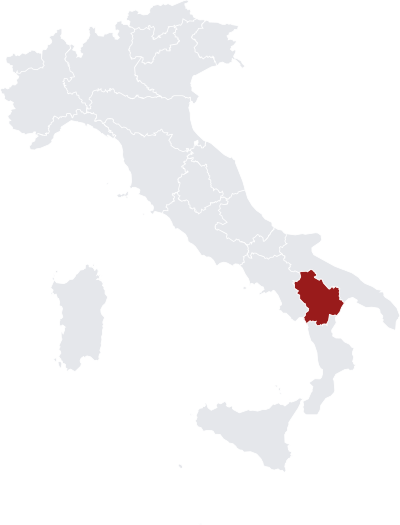
Basilicata sits between Campania and Puglia in the deep south. Its landscape has old volcanic rock, steep changes in height and a dry continental climate. These conditions push the grapes to build more flavor than they would on flat, fertile land.
If you know Tuscany or Piedmont, Basilicata feels very different. The wines taste of the rock they grow on. And the producers have not yet been swept up by global demand.
The region's wine rests almost entirely on one grape: Aglianico. It grows on the slopes of Mount Vulture, an extinct volcano in the north of the region. The soils are rich in minerals, made of basalt and pumice from old eruptions.
The vineyards sit between 400 and over 700 meters above sea level. This height keeps the growing season long and cool for southern Italy. Some sites are not picked until late October or early November. That is unusual this far south, and it helps explain why Aglianico del Vulture has so much structure.
Volcanic soil shapes the wine. You see the same thing in Sicily with Etna DOC, where Nerello Mascalese grows on Mount Etna's lava. On Vulture, the soil gives wines with high acidity, firm tannins and a salty, smoky edge. That sets them apart from the richer, stronger reds grown on the flat land of Puglia.
Aglianico del Vulture: The Heart of Basilicata Wine
The Denomination Structure
Basilicata has two key labels for Aglianico del Vulture.
Aglianico del Vulture DOC dates from 1971. The wine must be 100% Aglianico, grown in 15 towns in the Vulture area of Potenza province. Producers can also use two aging terms:
- Vecchio: aged at least three years, one in oak
- Riserva: aged at least five years, two in wood
Aglianico del Vulture Superiore DOCG is the only DOCG in Basilicata. It was created in 2011 with stricter rules: 100% Aglianico, lower yields and at least three years of aging in total (one in oak, six months in bottle). Superiore wines are the most ambitious from the area, and they reward time in the cellar.
What the Wine Tastes Like
Young Aglianico del Vulture is powerful. Expect a deep garnet color and aromas of dark cherry, iron, tobacco and dried herbs. The tannins grip firmly and the acidity is bright, so the wine feels firm and focused rather than soft.
After five to eight years, the tannins soften and new notes appear: leather, dried roses, graphite, forest floor and a lasting volcanic, mineral taste. That mineral note is the wine's signature.
Good Riserva and Superiore wines can keep improving for 15 to 20 years. In structure, they stand next to long-lived reds like Barolo DOCG and Brunello di Montalcino DOCG, even though they taste quite different.
Aglianico has very high tannin, higher than most southern Italian reds. It is not made for early drinking. Bottles opened before five years often feel hard and closed. Give the wine time, or decant it for a long while if you drink it young.
Key Producers to Know
Basilicata has few producers by Italian standards, so it is easy to find your way:
- Cantine del Notaio in Rionero in Vulture makes a range of Aglianico del Vulture wines, from entry-level bottles to a flagship Riserva.
- Elena Fucci is one of southern Italy's most talked-about small producers. Her single-vineyard Aglianico del Vulture Superiore, Titolo, comes from high vines on volcanic soil.
- Paternoster is one of the area's historic estates, with decades of reliable quality.
- Musto Carmelitano works with older vines and farms its small estate with care.
These are small wineries. The whole area makes little wine, so export bottles can be hard to find. Italian wine importers who focus on the south often give better access than regular shops.
Food Pairings
Aglianico del Vulture has strong acidity and tannin. It works best with dishes that have fat and protein to soften it.
Red meat and game are the obvious place to start. Try braised lamb with rosemary, slow-cooked pork shoulder, venison ragu or grilled beef short ribs. The wine's herbal, earthy notes suit dishes with thyme, bay leaf and juniper.
Aged cheeses from the south work well: Pecorino di Filiano, Canestrato di Moliterno or a hard aged Caciocavallo. They match the wine's power without clashing with its tannins.
Pasta with meat sauces is a clean match, especially thick shapes like rigatoni or paccheri with pork or wild boar ragù. For more ideas, see Best Wines for Pasta.
Don't pair young Aglianico del Vulture with delicate fish or light vegetable dishes. The tannin will drown out the flavors. For those, Campania's whites are a far better fit, such as Fiano di Avellino DOCG and Greco di Tufo DOCG.
Buying Tips
Price range: Entry-level Aglianico del Vulture DOC starts at about €10–15 in Italy. Exported bottles cost €18–28 from specialist importers. Superiore DOCG wines from top estates, like Elena Fucci's Titolo, cost €35–55 in most export markets. Riserva wines from established houses fall in between.
Vintage guidance: The best wines come from years with warm, dry summers and cool autumn nights. Recent standouts include 2016, 2019 and 2020. Don't rush to buy the latest vintage. Superiore and Riserva wines almost always need more time in bottle.
Where to buy: Specialist Italian wine importers in the UK, US and Germany have the widest choice. In Italy, wine shops (enoteche) in Rionero in Vulture and Barile stock local producers you can't find abroad.
Cellaring: For long-aging Italian reds, Aglianico del Vulture Superiore is good value for its potential. For more on building a cellar, see Best Italian Wines to Cellar.
Explore More
Basilicata is a focused region, but the rest of the south offers plenty of variety.
- Taurasi DOCG in Campania makes Aglianico of similar quality on different volcanic soil. Comparing the two is a great lesson in Italian wine.
- In Puglia, Primitivo gives a richer, easier style of bold southern red.
- Across the Strait of Messina, Sicily's volcanic wines from Etna DOC share Basilicata's mineral character.
For a wider view of Italian wine:
Sources
Production rules and official information from the consortia of the wines in this guide:
- Etna DOC · consorzioetnadoc.com
- Barolo DOCG · langhevini.it
- Brunello di Montalcino DOCG · consorziobrunellodimontalcino.it
- Fiano di Avellino DOCG · consorziovinidirpinia.it
- Greco di Tufo DOCG · consorziovinidirpinia.it
- Taurasi DOCG · consorziovinidirpinia.it