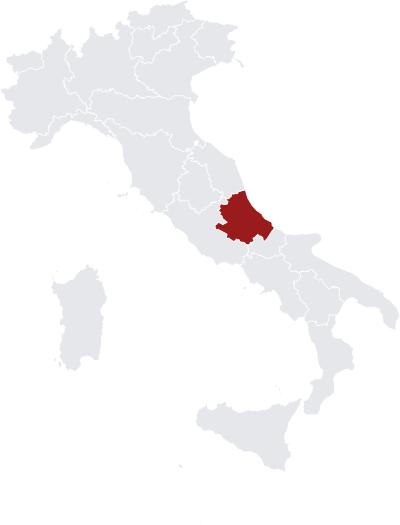
Best Abruzzo Wines
A Complete Guide to Central Italy's Wild Wine Frontier
A Complete Guide to Central Italy's Wild Wine Frontier
Abruzzo, between the Apennines and the Adriatic, makes some of Italy's best-value wines. This guide covers its grapes, wines, pairings and buying tips.
Steep changes in height pack many growing conditions into a small area. The Gran Sasso peaks keep high vineyards cool, while the coastal plains let grapes ripen early. This contrast gives Abruzzo wines a mix of freshness and warmth that few Italian regions can match.
Abruzzo makes over 300 million bottles a year, yet it is still underrated next to its neighbors. Prices stay low while quality has climbed for two decades. If you want to look past Tuscany and Piedmont, Abruzzo is a direct path to wines with real character at fair prices.
The Grape Varieties That Define Abruzzo
Montepulciano: The Red Backbone
Montepulciano is a grape here, not the Tuscan town. It is both the workhorse and the star of Abruzzo red wine. It makes deeply colored wines with medium to high tannin. The fruit runs from ripe plum and blackberry to dried cherry, with earthy notes.
Young examples are juicy and easy, with soft tannins. Wines from older vines, or with longer skin contact, have more structure and age well. At its best, Montepulciano d'Abruzzo stands next to Sangiovese as one of Italy's most versatile reds. It is less austere than Nebbiolo and more rustic than polished Tuscan blends.
Trebbiano d'Abruzzo: Misunderstood White
Trebbiano has a bad reputation. Across Italy it is often grown for high yields, and the result is thin, neutral wine. Trebbiano d'Abruzzo is different. With low yields and good sites, the local type gives a waxy texture, almond, citrus pith and a light mineral touch.
Valentini sets the top standard for the denomination. Its Trebbiano d'Abruzzo ages for ten years or more and surprises almost everyone. Most bottles from serious producers fall between fresh and structured. They are reliable whites that beat their modest price.
Pecorino: The Rising Star
Pecorino has gone from unknown to popular in under twenty years. It has high acidity, medium to full body, stone fruit and citrus aromas, and a salty, mineral finish. On cooler sites in the Apennine foothills, and in nearby Marche, it is especially fresh.
Serve it chilled at 8–10°C. A good Pecorino works well outdoors: on a terrace, at a seafood lunch, or with light summer dishes. Its acidity cuts through food without taking over the meal.
Key Denominations
Montepulciano d'Abruzzo DOC
The Montepulciano d'Abruzzo DOC covers the widest range of quality in the region. Entry-level bottles cost under ten euros and give reliable red fruit, soft tannins and easy drinking. Wines from named subzones add complexity and aging potential. The strictest is Colline Teramane, which is now its own DOCG.
The DOC covers the whole region, so volumes are high. Choosing bottles from a specific province (Teramo, Pescara, Chieti, L'Aquila) or a single-vineyard producer narrows the quality gap a lot.
Cerasuolo d'Abruzzo DOC
Cerasuolo is made from Montepulciano grapes with very short skin contact, usually a few hours. This gives a deep cherry-pink color, which is where the name comes from. It is closer to a structured rosé than a pale Provence-style one. Tannins are light, fruit is bright, and acidity keeps it lively.
Serve Cerasuolo at 10–12°C. It goes with grilled fish, cured meats and lighter pasta dishes. Among the best Italian rosé wines, it stands out for texture and staying power. Serious examples age two to four years and stay fresh.
Trebbiano d'Abruzzo DOC
The rules require at least 85% Trebbiano grapes. Most everyday versions see no oak and are released within a year of harvest. Riserva and estate wines spend longer in the cellar and develop broader aromas.
Tasting Notes by Style
Montepulciano d'Abruzzo (standard): Deep ruby-purple. Plum, cherry, dried herb, leather. Medium-high tannins, moderate acidity. Finish of dark chocolate and earth.
Montepulciano d'Abruzzo (Colline Teramane): More concentrated. Black fruit, tobacco, iron. Firm tannins that soften over four to eight years.
Cerasuolo d'Abruzzo: Cherry blossom, red berry, pomegranate. Light tannin, clean acidity. Fresh finish with a slight bitter almond note.
Trebbiano d'Abruzzo: Lemon pith, white peach, almond, beeswax. Broad texture with moderate acidity. Clean mineral finish on good examples.
Pecorino: White peach, apricot, green apple, floral notes. High acidity, medium body, salty mineral finish.
Food Pairings
Montepulciano d'Abruzzo has dark fruit, tannin and acidity. That makes it a natural match for lamb, the most common meat in Abruzzo's hill country. The classic pairing is arrosticini: sheep meat skewers cooked over charcoal. Pasta with ragù, slow-cooked pork and aged pecorino cheese also work well. The same logic applies in our guide to the best wines for pasta.
Cerasuolo suits lighter food. Try grilled sardines, octopus salad, tomato bruschetta or a simple antipasto spread. It has enough body for cured meats without drowning delicate dishes.
Trebbiano d'Abruzzo and Pecorino both pair well with Adriatic seafood: grilled branzino, clams, langoustines and fritto misto. For more ideas, see the best wines for seafood guide.
Buying Tips
Look for single-estate bottles. The DOC covers a large area, so co-op wine makes up most of the volume. Valentini, Emidio Pepe, Masciarelli, Torre dei Beati and Cataldi Madonna sell at different prices. All of them focus on a clear sense of place.
Colline Teramane on the label signals ambition. This zone, now a separate DOCG, has stricter rules: lower yields and longer aging. These wines usually beat generic DOC bottles.
Don't skip older vintages. Good Montepulciano d'Abruzzo from a serious producer lasts eight to twelve years. Brunello di Montalcino DOCG and Barolo DOCG need long cellaring. Abruzzo reds are ready sooner but still improve with time. A five-year-old bottle at a low price often beats younger wines from pricier regions.
Pecorino vintage matters. Hot years lower the acidity and flatten the wine. Look for cooler vintages or high-altitude producers.
How Abruzzo Compares to Neighboring Regions
To the northwest, across the Apennines, is Umbria, home to Sagrantino di Montefalco DOCG. To the south is Campania, where Aglianico rules through Taurasi DOCG. Montepulciano sits in the middle. It is less tannic than Sagrantino and less austere than Aglianico, but firmer than the easy reds of Puglia.
For whites, Pecorino's closest relatives come from Marche. Verdicchio Castelli di Jesi DOC offers similar mineral whites at similar prices. Campania's Fiano di Avellino DOCG and Greco di Tufo DOCG share the rich texture, but grow at a different altitude and on different soils.
Explore More
Abruzzo is one of Italy's best value regions. Here is where to go next:
- Best Italian Red Wines: Italy's reds, region by region
- Best Italian White Wines: from Pecorino to Vermentino
- Best Italian Rosé Wines: how Cerasuolo compares to Italy's other rosés
- Best Sangiovese Wines: the grape behind central Italian reds
- Italian Wine Classification Guide: what DOC, DOCG and IGT mean
- Best Italian Wines for Beginners: where Abruzzo fits for a newcomer
- Best Tuscany Wines and Best Piedmont Wines: Italy's best-known red regions, for comparison
Sources
Production rules and official information from the consortia of the wines in this guide:
- Montepulciano d'Abruzzo DOC · vinidabruzzo.it
- Brunello di Montalcino DOCG · consorziobrunellodimontalcino.it
- Barolo DOCG · langhevini.it
- Sagrantino di Montefalco DOCG · consorziomontefalco.it
- Taurasi DOCG · consorziovinidirpinia.it
- Verdicchio Castelli di Jesi DOC · imtdoc.it
- Fiano di Avellino DOCG · consorziovinidirpinia.it
- Greco di Tufo DOCG · consorziovinidirpinia.it