Umbria Wine Guide: Sagrantino, Orvieto, Montefalco and More
The green heart of Italy, from Sagrantino di Montefalco and Torgiano to the white wines of Orvieto: the key wines and bottles to try first
Umbria wine means Sagrantino di Montefalco, one of the world's most tannic reds, and Orvieto, one of Italy's historic whites, plus Torgiano and Grechetto. Discover its wines and what to try first.
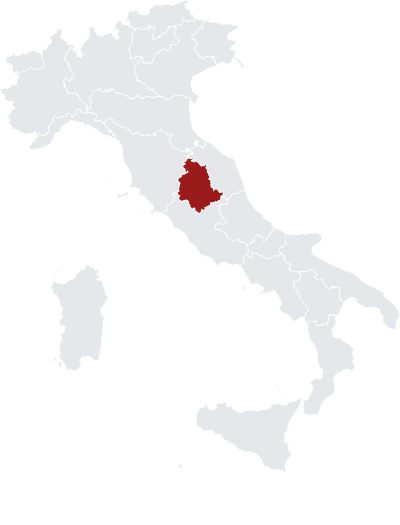
Umbria is the green heart of Italy, the only region of the peninsula with neither a coastline nor a foreign border, between Tuscany, Lazio and the Marche. Its vineyards grow on hills of clay, limestone and volcanic tuff, around towns such as Montefalco, Orvieto, Torgiano and Perugia. Umbria is a small producer compared with its neighbour Tuscany, but it has two famous wines, the powerful red Sagrantino and the white Orvieto, and a growing number of small, quality-focused estates.
Umbria Wines at a Glance
| Wine | Style | Main grape | Where | Price |
|---|---|---|---|---|
| Montefalco Sagrantino | Full, very tannic red, long-lived | Sagrantino | Montefalco and nearby villages | $$–$$$ |
| Montefalco Sagrantino Passito | Sweet red | Sagrantino | Montefalco | $$ |
| Montefalco Rosso | Medium to full red | Sangiovese, Sagrantino | Montefalco | $–$$ |
| Torgiano Rosso Riserva | Medium to full red, elegant | Sangiovese | Torgiano, near Perugia | $$ |
| Orvieto | Dry or sweet white | Grechetto, Procanico (Trebbiano) | Orvieto, southwest | $ |
| Grechetto | Dry white | Grechetto | Central Umbria | $ |
| Trebbiano Spoletino | Dry white, fresh, age-worthy | Trebbiano Spoletino | Spoleto, Montefalco | $–$$ |
| Trasimeno Gamay | Medium red | Grenache (locally called Gamay) | Lake Trasimeno | $–$$ |
Price guide for typical US retail: $ under $20, $$ $20–40, $$$ over $40.
Sagrantino di Montefalco
Sagrantino is a native grape grown almost only around Montefalco, a hill town between Perugia and Spoleto. It has thick skins and some of the highest tannin levels of any grape in the world. For centuries it was made mainly as a sweet passito for religious feasts; the dry style became important only from the 1970s and 1980s, led by producers such as Arnaldo Caprai.
- Sagrantino di Montefalco DOCG: 100% Sagrantino, from Montefalco and four nearby villages. It is aged for about three years before release, at least 12 months of them in wood. The wine is deep and dark, with blackberry, plum, cinnamon, clove, leather and earth, and massive tannins that need years to soften. The best age for 20 years or more.
- Sagrantino Passito: the historic sweet style, made from grapes dried for about two months, with dried fruit, chocolate and spice.
Read our best Sagrantino wines for more.
Montefalco Rosso and Torgiano
- Montefalco DOC: includes Montefalco Rosso, a blend based on Sangiovese with some Sagrantino, more approachable and less expensive than Sagrantino; and Montefalco Bianco.
- Torgiano Rosso Riserva DOCG: a Sangiovese-based red from Torgiano, south of Perugia, where the Lungarotti family built the area's reputation from the 1960s. It is elegant and ages well.
- Torgiano DOC: the wider denomination for Torgiano reds and whites.
Orvieto and the White Wines
- Orvieto DOC: Umbria's best-known wine, from the hills around the cliff-top town of Orvieto and over the border in Lazio. It is a blend based on Grechetto and Procanico (the local Trebbiano), dry (secco) or lightly sweet (abboccato and amabile). Orvieto Classico comes from the historic heart of the area. Some producers also make rare sweet wines from grapes affected by noble rot.
- Lago di Corbara DOC: a small denomination near Orvieto, for reds and whites.
- Grechetto: varietal Grechetto, with pear, almond and herbs, from the Colli Martani DOC and the Umbria IGT.
- Trebbiano Spoletino: a revived native grape from the Spoleto and Montefalco area, quite different from ordinary Trebbiano: crisp, citrusy and able to age.
- White blends: Umbria is also home to Cervaro della Sala, Antinori's well-known Chardonnay and Grechetto blend from Castello della Sala, near Orvieto.
Other Umbrian Wines
- Lake Trasimeno: the Colli del Trasimeno area grows Grenache, called Gamay del Trasimeno locally (not related to the Gamay of Beaujolais), for juicy, spicy reds.
- Amelia DOC: southern Umbria, near Narni, for reds and whites, including Ciliegiolo.
- Umbria IGT: the regional label, widely used for blends and international grapes such as Merlot and Cabernet.
The Main Wine Areas
- Montefalco: the hills between Perugia, Foligno and Spoleto: Sagrantino, Montefalco Rosso and Trebbiano Spoletino.
- Torgiano and the Colli Perugini: south of Perugia: Torgiano reds.
- Orvieto: the southwest, on volcanic and clay soils: Orvieto and Grechetto.
- Colli Martani and Todi: central Umbria: Grechetto.
- Lake Trasimeno: the west, near the Tuscan border: Trasimeno Gamay and other reds.
Which Umbrian Wine to Try First
- For everyday drinking: an Orvieto Classico or a Grechetto.
- For an approachable red: a Montefalco Rosso.
- For a powerful red to age: a Sagrantino di Montefalco, ideally with at least 8–10 years from the vintage.
- For an elegant Sangiovese: a Torgiano Rosso Riserva.
- For a white with character: a Trebbiano Spoletino.
- With dessert: a Sagrantino Passito.
Producers worth knowing include Arnaldo Caprai, Paolo Bea, Tabarrini, Antonelli San Marco, Perticaia, Adanti and Còlpetrone in Montefalco; Lungarotti in Torgiano; Barberani, Palazzone, Decugnano dei Barbi and Castello della Sala around Orvieto; Roccafiore near Todi; and Madrevite on Lake Trasimeno.
Food Pairing with Umbrian Wines
- Pasta with black truffle (strangozzi, umbricelli): a Grechetto, an Orvieto or a Montefalco Rosso.
- Porchetta and roast pork: Montefalco Rosso or Orvieto.
- Wild boar, game and grilled lamb: Sagrantino di Montefalco.
- Castelluccio lentils with sausages: Montefalco Rosso or Torgiano.
- Freshwater fish from Lake Trasimeno: Grechetto or Trebbiano Spoletino.
- Dry pastries and chocolate: Sagrantino Passito.
Frequently Asked Questions About Umbrian Wine
What wine is Umbria known for?
For Sagrantino di Montefalco, a powerful, tannic red, and for Orvieto, a historic white based on Grechetto and Trebbiano. Montefalco Rosso and Torgiano Rosso Riserva are also well known.
What does Sagrantino taste like?
It is dark and full-bodied, with blackberry, plum, sweet spice, leather and earth, and very strong tannins. Young Sagrantino can be austere; it needs years in bottle or a rich meat dish.
Is Orvieto wine sweet or dry?
Most Orvieto today is dry (secco), but the wine is also made in lightly sweet (abboccato, amabile) and sweet styles. Check the label.
What is the difference between Montefalco Rosso and Sagrantino?
Montefalco Rosso is a Sangiovese-based blend with some Sagrantino: softer, fruitier and ready sooner. Montefalco Sagrantino is 100% Sagrantino, much more tannic and long-lived.
Is Umbrian wine good value?
Yes. Orvieto, Grechetto and Montefalco Rosso usually cost under $25 in the US, and even top Sagrantino is less expensive than Brunello or Barolo of similar quality.
Explore More
- All Umbria wines and wineries, with the full list of producers and denominations
- Best Sagrantino wines
- Tuscan wine guide
- Lazio wine guide
- Best Italian red wines
Sources
Production rules and official information from the consortia of the wines in this guide:
- Sagrantino di Montefalco DOCG · consorziomontefalco.it
- Montefalco DOC · consorziomontefalco.it
- Torgiano DOC · consorziotutelavinitorgiano.it
- Orvieto DOC · orvietodoc.it
- Amelia DOC · facebook.com