Campania Wine Guide: Taurasi, Fiano, Greco, Falanghina and More
Aglianico and Taurasi, three classic whites and the volcanic wines of Vesuvius, the Campi Flegrei and Ischia: the key wines to try first
Campania wine means Aglianico and Taurasi, the south's great red, and three classic whites: Fiano, Greco and Falanghina, many from volcanic soils. Discover its wines and what to try first.
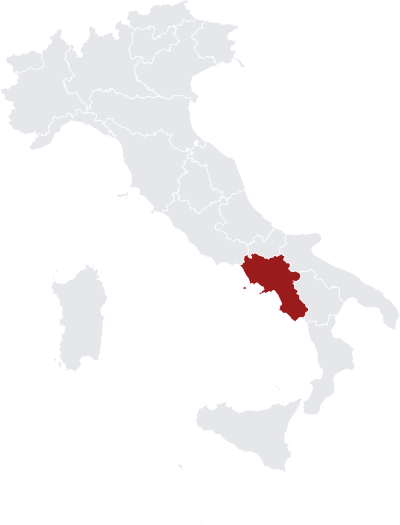
Campania is the region of Naples, Vesuvius, the Amalfi Coast and the island of Ischia. Wine has been made here since Greek and Roman times: the ancient Falernian, the most famous wine of Rome, came from the north of the region. Many of Campania's vineyards grow on volcanic soils, around Vesuvius, in the Campi Flegrei and on Ischia, while the inland hills of Irpinia and the Sannio are cool enough for whites with fresh acidity and long-lived reds. Almost all of Campania's best wines come from native grapes, several of which were saved from near-extinction in the second half of the twentieth century.
Campania Wines at a Glance
| Wine | Style | Main grape | Where | Price |
|---|---|---|---|---|
| Taurasi | Full, tannic red, long-lived | Aglianico | Irpinia, around Avellino | $$–$$$ |
| Aglianico del Taburno | Full red | Aglianico | Sannio, around Benevento | $–$$ |
| Irpinia and Campania Aglianico | Medium to full red | Aglianico | Inland Campania | $–$$ |
| Fiano di Avellino | Dry white, rich, age-worthy | Fiano | Irpinia | $–$$ |
| Greco di Tufo | Dry white, firm, mineral | Greco | Irpinia | $–$$ |
| Falanghina del Sannio | Dry white, fresh, fruity | Falanghina | Sannio | $ |
| Campi Flegrei | Volcanic white and red | Falanghina, Piedirosso | West of Naples | $–$$ |
| Lacryma Christi del Vesuvio | White, red and rosé | Coda di Volpe, Piedirosso | Slopes of Vesuvius | $ |
| Ischia | Light white and red | Biancolella, Forastera, Piedirosso | Ischia island | $–$$ |
| Costa d'Amalfi | White and red | Falanghina, Biancolella, Piedirosso, Aglianico | Amalfi Coast | $$ |
Price guide for typical US retail: $ under $20, $$ $20–40, $$$ over $40.
Taurasi and Aglianico
Aglianico is Campania's great red grape: dark, with black cherry, plum, tobacco, leather and spice, high acidity and strong tannins. It ripens very late, and in the hills of Irpinia it is often picked in November.
- Taurasi DOCG: from 17 villages around Taurasi, in the province of Avellino. It was the first DOCG of southern Italy, in 1993. Taurasi must be at least 85% Aglianico and is aged for at least three years before release, four for Riserva. It is often called "the Barolo of the South" for its power and ability to age for decades.
- Aglianico del Taburno DOCG: from the slopes of Mount Taburno in the Sannio, a little softer and fruitier.
- Irpinia DOC and Campania IGT: younger, less expensive Aglianico, a good introduction to the grape.
Read our best Aglianico wines for more.
Fiano, Greco and Falanghina
Campania's three classic white grapes are very different from each other.
- Fiano di Avellino DOCG: from the hills around Avellino. Fiano has pear, citrus, honey, hazelnut and a smoky, mineral note, with a rich texture. It is one of the few Italian whites that improves for ten years or more. See our best Fiano wines.
- Greco di Tufo DOCG: from eight villages around Tufo. Greco is firmer and more acidic than Fiano, with peach, almond and a flinty finish. See our best Greco wines.
- Falanghina del Sannio DOC: from the Benevento hills. Falanghina is the most approachable of the three: fresh, floral and fruity, and usually inexpensive. See our best Falanghina wines.
Volcanic Wines: Vesuvius, Campi Flegrei and Ischia
- Vesuvio DOC: the slopes of the volcano. Its best-known wine is Lacryma Christi del Vesuvio, white (mainly Coda di Volpe), red (mainly Piedirosso) and rosé.
- Campi Flegrei DOC: the volcanic "burning fields" west of Naples, with sandy soils where many vines are still ungrafted. Falanghina and Piedirosso (Per'e Palummo) here are fresh, mineral and saline.
- Ischia DOC: one of Italy's first DOCs, from steep terraces on the island. Whites from Biancolella and Forastera, reds from Piedirosso.
See also our guide to wines from volcanic soils.
The Coast and the South
- Costa d'Amalfi DOC: tiny vineyards on terraces above the sea, in subzones such as Furore, Ravello and Tramonti. Whites from Falanghina and Biancolella, reds from Piedirosso and Aglianico.
- Penisola Sorrentina DOC: includes Gragnano, a light, sparkling red that is the classic Neapolitan pizza wine.
- Cilento DOC: the hills south of Salerno, for Aglianico and Fiano.
- Falerno del Massico DOC: northern Campania, where the ancient Falernian was made; reds from Aglianico and Piedirosso and whites from Falanghina.
- Caserta: the revived Pallagrello Bianco, Pallagrello Nero and Casavecchia grapes, mostly sold as IGT.
Which Campania Wine to Try First
- For everyday drinking: a Falanghina del Sannio or an Irpinia Aglianico.
- For a white that can age: a Fiano di Avellino.
- For a crisp, mineral white with seafood: a Greco di Tufo or a Campi Flegrei Falanghina.
- For a light red to drink cool: a Campi Flegrei Piedirosso or a Gragnano with pizza.
- For a special occasion: a Taurasi, ideally with at least 8–10 years of age.
- For a taste of the coast: a Costa d'Amalfi or an Ischia Biancolella.
Producers worth knowing include Mastroberardino, Feudi di San Gregorio, Quintodecimo, Villa Raiano, Pietracupa, Ciro Picariello and Guido Marsella in Irpinia; La Guardiense and Mustilli in the Sannio; Cantine Astroni and Agnanum in the Campi Flegrei; Casa Setaro and Villa Dora on Vesuvius; Marisa Cuomo on the Amalfi Coast; Casa d'Ambra and Cenatiempo on Ischia; Villa Matilde for Falerno; Luigi Maffini in the Cilento; and Cantina Giardino for natural wines.
Food Pairing with Campania Wines
- Neapolitan pizza: Gragnano, Piedirosso or Falanghina.
- Buffalo mozzarella: Falanghina or Greco di Tufo.
- Spaghetti alle vongole, fried seafood and grilled fish: Falanghina, Greco or a Campi Flegrei white.
- Ragù napoletano and Genovese sauce: Aglianico.
- Roast lamb, braised beef and aged cheese: Taurasi.
- Rich fish dishes, white meat and mushrooms: a mature Fiano di Avellino.
Frequently Asked Questions About Campania Wine
What wine is Campania known for?
For Taurasi, the region's great Aglianico red, and for three white wines from native grapes: Fiano di Avellino, Greco di Tufo and Falanghina. Lacryma Christi del Vesuvio is also well known.
Why is Taurasi called the Barolo of the South?
Like Barolo, it is a powerful, tannic red from a single noble grape, Aglianico, that needs long ageing and can improve for decades. It was also the first DOCG of southern Italy.
What is the difference between Fiano, Greco and Falanghina?
Fiano is the richest and most complex, with honey and hazelnut, and ages well. Greco is firmer and more acidic, with a flinty finish. Falanghina is the lightest and fruitiest, made to drink young.
What is Lacryma Christi?
"Tears of Christ" is the name of the white, red and rosé wines from the slopes of Vesuvius, within the Vesuvio DOC. The white is mainly Coda di Volpe and the red mainly Piedirosso.
What wine goes with Neapolitan pizza?
A light, fresh wine: a sparkling Gragnano red, a Piedirosso served slightly cool, or a Falanghina.
Explore More
- All Campania wines and wineries, with the full list of producers and denominations
- Best Aglianico wines
- Best wines for pizza
- Best wines for seafood
- Best wines from the Italian islands
Sources
Production rules and official information from the consortia of the wines in this guide:
- Taurasi DOCG · consorziovinidirpinia.it
- Aglianico del Taburno DOCG · sannio.wine
- Irpinia DOC · consorziovinidirpinia.it
- Fiano di Avellino DOCG · consorziovinidirpinia.it
- Greco di Tufo DOCG · consorziovinidirpinia.it
- Falanghina del Sannio DOC · sannio.wine
- Vesuvio DOC · vesuvio.wine
- Campi Flegrei DOC · vinievino.it