Sicilian Wine Guide: Nero d'Avola, Etna, Marsala and More
From Nero d'Avola and the volcanic wines of Etna to Grillo, Marsala and Pantelleria: the key wines and bottles to try first
Sicilian wine ranges from juicy Nero d'Avola and volcanic Etna reds to crisp Grillo and the sweet wines of Pantelleria. Discover its key wines and what to try first.
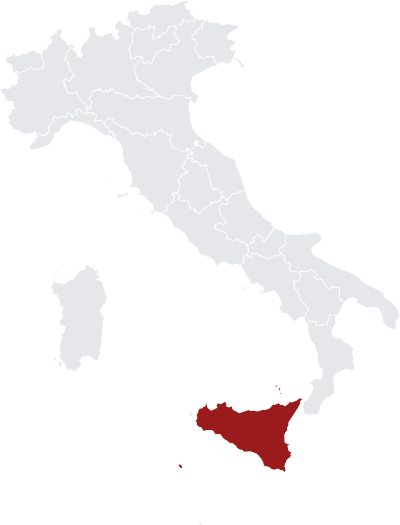
Sicily, the largest island in the Mediterranean, has one of Italy's biggest vineyard areas and a winemaking history that goes back to the Greeks and Phoenicians. For much of the twentieth century it produced bulk wine and Marsala; since the 1990s it has become one of Italy's most exciting regions, thanks to native grapes such as Nero d'Avola, Nerello Mascalese, Frappato, Grillo and Carricante, and to the high vineyards of Mount Etna. Hot, sunny summers, sea breezes and a wide range of soils, from volcanic sand to limestone and clay, give everything from ripe, generous reds to fresh, mineral whites.
Sicilian Wines at a Glance
| Wine | Style | Main grapes | Where | Price |
|---|---|---|---|---|
| Nero d'Avola | Medium to full red | Nero d'Avola | Southeast and across the island | $ |
| Etna Rosso | Medium red, elegant | Nerello Mascalese, Nerello Cappuccio | Mount Etna | $$–$$$ |
| Etna Bianco | Dry, mineral white | Carricante | Mount Etna | $$ |
| Cerasuolo di Vittoria | Light to medium red | Nero d'Avola, Frappato | Vittoria | $$ |
| Frappato | Light, fruity red | Frappato | Vittoria | $–$$ |
| Grillo | Dry white | Grillo | West | $ |
| Catarratto and Inzolia | Dry white | Catarratto, Inzolia | West | $ |
| Marsala | Fortified | Grillo, Catarratto, Inzolia | Marsala | $–$$ |
| Passito di Pantelleria | Sweet | Zibibbo | Pantelleria | $$ |
| Malvasia delle Lipari | Sweet | Malvasia | Aeolian Islands | $$ |
Price guide for typical US retail: $ under $20, $$ $20–40, $$$ over $40.
Sicilia DOC and Terre Siciliane IGT
Most Sicilian wine you'll see abroad is labelled Sicilia DOC, an island-wide denomination created in 2011 that usually names the grape on the label: Nero d'Avola, Grillo, Frappato and so on. The broader Terre Siciliane IGT gives producers more freedom and is used for blends and international varieties. Smaller local DOCs include Menfi, Contessa Entellina, Monreale, Alcamo and Contea di Sclafani.
Nero d'Avola
Nero d'Avola is Sicily's flagship red grape, named after the town of Avola in the southeast. It gives deeply coloured wines with black cherry, plum, sweet spice and soft tannins: easy to like, food-friendly and usually great value. The most elegant versions come from the southeast, around Noto (Noto DOC) and Vittoria. See our best Nero d'Avola wines.
Etna
The vineyards on the slopes of Mount Etna, Europe's highest active volcano, are among the most talked-about in Italy. Vines grow on black volcanic soils between about 400 and 1,000 metres, many of them old, ungrafted bush vines on terraces. Wines are often labelled by contrada, the local name for a single vineyard area.
- Etna Rosso, from Nerello Mascalese with a little Nerello Cappuccio, is pale and fragrant, with red cherry, herbs, smoke and fine, firm tannins. It is often compared to Pinot Noir or Nebbiolo.
- Etna Bianco, from Carricante, is taut and mineral, with lemon, apple and a salty finish, and ages well.
All are labelled Etna DOC. See the best Etna wines and wines from volcanic soils.
Cerasuolo di Vittoria and Frappato
Cerasuolo di Vittoria DOCG, Sicily's only DOCG, comes from the southeast around Vittoria. It blends Nero d'Avola with Frappato, giving a bright, cherry-red wine that is fresh and juicy. On its own, Frappato makes light, aromatic reds with strawberry and floral notes, delicious slightly chilled. See Vittoria DOC.
Sicilian White Wines
- Grillo: western Sicily's leading white, fresh and aromatic with citrus, peach and a saline finish.
- Catarratto: the island's most planted white grape, making soft, lemony wines, especially around Alcamo.
- Inzolia: nutty and gently aromatic, often blended with Grillo or Catarratto.
- Carricante: the grape of Etna Bianco, Sicily's most age-worthy white.
- Zibibbo: the local name for Muscat of Alexandria, used for dry aromatic whites as well as sweet wines.
Marsala and the Sweet Wines
Marsala DOC, from the far west of the island, is one of the world's classic fortified wines, made in dry to sweet styles and aged for years in wood. Quality Marsala, labelled Superiore or Vergine, is a serious wine for sipping, far from the cooking-wine image. See our Marsala wine guide.
Passito di Pantelleria, from the volcanic island of Pantelleria between Sicily and Tunisia, is made from sun-dried Zibibbo grapes and tastes of apricot, honey and orange peel. The island's traditional bush-vine growing is on UNESCO's list of Intangible Cultural Heritage. Malvasia delle Lipari DOC, from the Aeolian Islands, is another delicate sweet wine; see also Salina IGT.
Around Messina in the northeast, the small Faro DOC and Mamertino DOC make distinctive reds and whites.
Which Sicilian Wine to Try First
- For an everyday red: a Sicilia DOC Nero d'Avola.
- For an everyday white: a Sicilia DOC Grillo.
- For something lighter: a Frappato or a Cerasuolo di Vittoria, slightly chilled.
- For a special occasion: an Etna Rosso from a single contrada.
- For a white with character: an Etna Bianco.
- For dessert: a Passito di Pantelleria or a Marsala Superiore.
Producers worth knowing include Planeta, Donnafugata, Tasca d'Almerita, COS, Occhipinti and Firriato, and on Etna Benanti, Tenuta delle Terre Nere, Passopisciaro and Pietradolce.
Food Pairing with Sicilian Wines
- Pasta alla Norma (aubergine, tomato, ricotta salata): Nero d'Avola or Cerasuolo di Vittoria.
- Swordfish, tuna and grilled fish: Grillo, Etna Bianco or Frappato.
- Pasta con le sarde: Grillo or Catarratto.
- Arancini and street food: Frappato or a fresh white.
- Lamb and grilled meats: Nero d'Avola or Etna Rosso.
- Cannoli and almond pastries: Passito di Pantelleria or Marsala.
Frequently Asked Questions About Sicilian Wine
How good is Sicilian wine?
Very good, and often excellent value. Sicily was long known for bulk wine, but since the 1990s producers have focused on native grapes and quality, and Etna in particular is now considered one of Italy's top wine areas.
What is the best Sicilian red wine?
Etna Rosso from Nerello Mascalese is the most acclaimed, while Nero d'Avola is the most popular and widely available. Cerasuolo di Vittoria, the island's only DOCG, is a lighter, elegant alternative.
What is Nero d'Avola like?
A medium- to full-bodied red with black cherry, plum, sweet spice and soft tannins, similar in weight to a Merlot or Shiraz.
What white wine is Sicily known for?
Grillo is the best-known Sicilian white abroad, while Etna Bianco from Carricante is the most prestigious. Catarratto is the most planted.
What is the only DOCG in Sicily?
Cerasuolo di Vittoria, a blend of Nero d'Avola and Frappato from the southeast of the island.
Is Marsala wine only for cooking?
No. Inexpensive Marsala is widely used in the kitchen, but quality Marsala Superiore and Vergine are complex, long-aged wines meant for sipping.
Explore More
- All Sicily wines and wineries, with the full list of producers and denominations
- Sicily wine tour
- Best wines from the Italian islands
- Italian white wine: the 15 best grapes and styles
- Best Italian red wines
Sources
Production rules and official information from the consortia of the wines in this guide:
- Sicilia DOC · siciliadoc.wine
- Menfi DOC · italianwinecentral.com
- Monreale DOC · docmonreale.it
- Alcamo DOC · wineinsicily.com
- Noto DOC · siciliadoc.wine
- Etna DOC · consorzioetnadoc.com
- Cerasuolo di Vittoria DOCG · cerasuolovittoria.it
- Pantelleria DOC · facebook.com