Puglia Wine Guide: Primitivo, Negroamaro, Nero di Troia and More
The heel of Italy's boot, from Primitivo di Manduria and Salice Salentino to Castel del Monte and Salento rosato: the key wines and bottles to try first
Puglia wine means bold, sunny reds from native grapes: Primitivo, Negroamaro and Nero di Troia, plus some of Italy's best rosés. Discover its wines and what to try first.
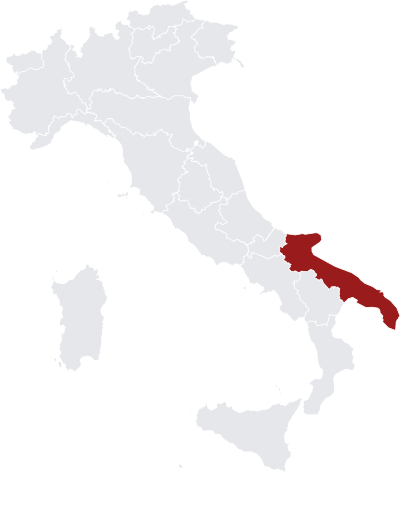
Puglia (Apulia in English) is the heel of Italy's boot, a long, flat-to-hilly region between the Adriatic and Ionian seas. It is one of Italy's biggest wine producers. For most of the twentieth century much of its wine was shipped north in bulk to add colour and alcohol to other wines, but since the 1990s producers have cut yields, saved old bush vines and focused on native grapes. Today Puglia is known for generous, fruit-forward reds and fresh rosés, and for some of the best value in Italian wine.
Puglia Wines at a Glance
| Wine | Style | Main grape | Where | Price |
|---|---|---|---|---|
| Primitivo di Manduria | Full, ripe red | Primitivo | Salento, east of Taranto | $–$$ |
| Gioia del Colle Primitivo | Full red, fresher | Primitivo | Murgia hills, south of Bari | $$ |
| Primitivo di Manduria Dolce Naturale | Sweet red | Primitivo | Salento | $$ |
| Salice Salentino | Medium to full red, savoury | Negroamaro, Malvasia Nera | Salento | $ |
| Salento Rosato | Dry rosé | Negroamaro | Salento | $ |
| Castel del Monte Rosso / Nero di Troia | Structured red | Nero di Troia | North, around Andria | $–$$ |
| Castel del Monte Bombino Nero | Dry rosé | Bombino Nero | North, around Andria | $ |
| Susumaniello | Fruity red or rosé | Susumaniello | Brindisi | $–$$ |
| Valle d'Itria whites | Light, dry white | Verdeca, Bianco d'Alessano, Minutolo | Trulli country, Locorotondo | $ |
| Moscato di Trani | Sweet white | Moscato | North, near Bari | $$ |
Price guide for typical US retail: $ under $20, $$ $20–40, $$$ over $40.
Primitivo
Primitivo is Puglia's best-known grape. DNA has shown that it is the same variety as California's Zinfandel and Croatia's Crljenak Kaštelanski (also called Tribidrag). The name refers to its early ripening (primo, "first"). It makes full-bodied, ripe reds with blackberry, plum, dried fig, liquorice and sweet spice, often with 14–15% alcohol.
- Primitivo di Manduria DOC: the flagship, from the red soils and old bush vines of the Salento, between Taranto and Brindisi. The wines are rich and warm; Riserva versions are aged longer.
- Primitivo di Manduria Dolce Naturale DOCG: a naturally sweet red from very ripe or partly dried grapes, with dried fruit, chocolate and spice.
- Gioia del Colle DOC: Primitivo from the Murgia hills south of Bari, at 300–450 m. Cooler nights give a fresher, more structured style.
- Salento IGT and Puglia IGT: most everyday Primitivo is sold under these labels, often at very good prices.
Read our best Primitivo wines for more.
Negroamaro and the Salento
Negroamaro is the main grape of the Salento peninsula, the southern tip of Puglia around Lecce and Brindisi. Its wines are dark and warm but more savoury than Primitivo, with black cherry, plum, tobacco, earth and a slightly bitter finish. It is often blended with a little Malvasia Nera, which adds softness and perfume.
- Salice Salentino DOC: the best-known Negroamaro red, from dry and juicy to rich Riserva.
- Brindisi DOC and Lizzano DOC: other Negroamaro-based reds and rosés; Squinzano, Copertino and Leverano are also Negroamaro DOCs.
- Salento IGT: the label for most Salento reds and rosés, from simple to ambitious.
Rosato: the Salento has one of Italy's oldest rosé traditions. Leone de Castris' Five Roses, first bottled in 1943, is often cited as the first rosé bottled and sold in Italy. Negroamaro rosato is fruity, savoury and more structured than most rosés, and a perfect summer wine. See our best Italian rosé wines.
Nero di Troia and Northern Puglia
In the north, around Andria, Barletta and Foggia, the main red grape is Nero di Troia (also Uva di Troia). It gives more structured, less ripe wines than Primitivo, with red and black fruit, violets, spice and firm tannins, and the best age well.
- Castel del Monte DOC: named after the octagonal castle of Frederick II, on the hills of the Murgia. It covers reds, rosés and whites.
- Castel del Monte Rosso Riserva DOCG: aged reds based on Nero di Troia. There is also a Castel del Monte Nero di Troia Riserva DOCG.
- Castel del Monte Bombino Nero DOCG: a rosé from the Bombino Nero grape, light, fresh and floral.
Other Native Reds
- Susumaniello: a nearly forgotten grape from around Brindisi, revived in the 2000s. It gives deep-coloured, juicy reds and fresh rosés.
- Malvasia Nera: mostly in blends with Negroamaro.
- Aleatico: an aromatic red grape used for sweet wines.
Puglia White Wines
Whites are a smaller but growing part of Puglia's production.
- Valle d'Itria: the hills of the trulli, around Locorotondo and Martina Franca, are the main white wine area. Verdeca and Bianco d'Alessano give light, crisp whites, and Minutolo (Fiano Minutolo) makes aromatic, floral wines.
- Bombino Bianco: a neutral, fresh white of the north, around San Severo and Castel del Monte.
- Fiano and Falanghina: grown in Puglia too, often under the Puglia IGT.
- Moscato di Trani DOC: a sweet Moscato from the coast north of Bari.
The Main Wine Zones
- Daunia (Foggia): the flat Tavoliere plain and the hills around Lucera and San Severo; Nero di Troia, Bombino and Montepulciano.
- Murgia and Castel del Monte: the limestone plateau behind Bari and Andria; Nero di Troia, Bombino Nero and Gioia del Colle Primitivo.
- Valle d'Itria: the trulli country, for white wines.
- Salento: the southern peninsula, between two seas: Primitivo di Manduria, Salice Salentino and most of Puglia's rosé.
Which Puglia Wine to Try First
- For everyday drinking: a Salento IGT Primitivo or a Salice Salentino.
- For a rich, generous red: a Primitivo di Manduria.
- For a fresher, more elegant Primitivo: a Gioia del Colle.
- For a structured red to age: a Castel del Monte Nero di Troia Riserva.
- For summer: a Negroamaro rosato or a Castel del Monte Bombino Nero.
- For white wine lovers: a Valle d'Itria Minutolo or Verdeca.
- With dessert: a Primitivo di Manduria Dolce Naturale.
Producers worth knowing include Gianfranco Fino, Produttori di Manduria, Felline and San Marzano for Primitivo di Manduria; Polvanera for Gioia del Colle; Leone de Castris, Cantele, Due Palme and Rosa del Golfo in the Salento; Tormaresca, Rivera and Torrevento in the north; Tenute Rubino for Susumaniello; and Paolo Leo, Donato Angiuli and Vespa.
Food Pairing with Puglia Wines
- Orecchiette with ragù or with sausage: Primitivo or Negroamaro.
- Grilled lamb, bombette (stuffed pork rolls) and barbecue: Primitivo di Manduria or Gioia del Colle.
- Pizza, focaccia barese and frise: Negroamaro rosato.
- Burrata, mozzarella and raw seafood: Valle d'Itria whites or Bombino Nero rosé.
- Orecchiette with turnip tops (cime di rapa): a Salice Salentino or a Verdeca.
- Aged cheese, dark chocolate and almond pastries: Primitivo Dolce Naturale.
Frequently Asked Questions About Puglia Wine
What wine is Puglia known for?
For bold red wines from native grapes: Primitivo, especially Primitivo di Manduria; Negroamaro, especially Salice Salentino; and Nero di Troia from Castel del Monte. It is also known for its rosés.
What is the best red wine from Puglia?
Primitivo di Manduria is the most famous. For a fresher style try Gioia del Colle Primitivo, and for a structured, age-worthy red a Castel del Monte Nero di Troia Riserva.
Is Primitivo the same as Zinfandel?
Yes, DNA has shown they are the same grape, originally from Croatia. Puglian Primitivo is usually a little less sweet and jammy than California Zinfandel, with more savoury, earthy notes.
What are the best white wines of Puglia?
The light whites of the Valle d'Itria, from Verdeca, Bianco d'Alessano and the aromatic Minutolo, and Bombino Bianco from the north. Puglian Fiano and Falanghina are also worth trying.
Is Puglia wine good value?
Yes. Puglia is one of Italy's best sources of value: good Primitivo, Negroamaro and rosato can be found for under $20, and even top wines are less expensive than famous names from Tuscany or Piedmont.
What does Salice Salentino taste like?
It is a warm, medium- to full-bodied red, mostly Negroamaro, with black cherry, plum, tobacco and a slightly bitter almond finish. It is a classic match for grilled meat and pasta with ragù.
Explore More
- All Puglia wines and wineries, with the full list of producers and denominations
- Best Primitivo wines
- Best Italian rosé wines
- Best Italian red wines
- Best Italian wines under $20
Sources
Production rules and official information from the consortia of the wines in this guide:
- Primitivo di Manduria DOC · consorziotutelaprimitivo.com
- Gioia del Colle DOC · consorziovinigioiadelcolle.it
- Salice Salentino DOC · consorziosalicesalentino.it
- Brindisi DOC · vinibrindisisquinzanodoc.it
- Lizzano DOC · italianwinecentral.com
- Castel del Monte DOC · pugliasveva.it
- Castel del Monte Rosso Riserva DOCG · pugliasveva.it